Discovering the Conveniences and Applications of Heat Transfer Solutions in Modern Market
Heat transfer systems play a crucial duty in modern-day market. They include various systems such as radiation, convection, and transmission, each adding to effective thermal administration. Industries like manufacturing and aerospace advantage considerably from these systems. As advancements proceed, the assimilation of cutting-edge materials and innovations promises to boost power effectiveness. This evolution elevates essential inquiries regarding the future implications for sustainability and functional prices across numerous industries. What lies ahead in this continuous change?
Recognizing Heat Transfer Principles
Heat transfer concepts are fundamental to the procedure of various commercial systems. These principles incorporate the mechanisms of conduction, convection, and radiation, each playing an important duty in handling thermal power. Comprehending transmission includes assessing how Heat relocates through strong materials, while convection relate to Heat transfer in liquids, driven by liquid activity. Radiation, distinctive from the other 2, involves power transfer through electromagnetic waves. The efficiency of Heat transfer impacts system performance, power intake, and overall efficiency. Reliable thermal monitoring is necessary in processes such as heating, air conditioning, and Heat recovery. By grasping these concepts, sectors can optimize their operations, decrease power expenses, and boost devices durability, therefore contributing to a much more sustainable and effective commercial landscape.
Trick Kinds of Heat Transfer Solutions
While different markets use Heat transfer systems for varied applications, a number of crucial kinds stick out due to their particular functions and efficiencies. The most typical kinds include radiation, transmission, and convection systems. Conduction systems transfer Heat via straight get in touch with in between products, making them efficient in solid-state applications. Convection systems, on the other hand, utilize liquid movement to transfer Heat, ideal for home heating or cooling down gases and liquids. Radiation systems run without a tool, relying upon electro-magnetic waves to transfer Heat, suitable for high-temperature settings. Each kind serves distinct objectives, permitting markets to tailor their Heat transfer services based on functional requirements, energy efficiency, and cost-effectiveness. Recognizing these systems is essential for enhancing performance in various commercial settings.
Industrial Applications of Heat Transfer Technologies
The application of Heat transfer innovations in industry plays an essential duty in improving energy performance and enhancing processes. DVS Heat Transfer Systems. By implementing innovative Heat exchange systems, companies can significantly reduce their environmental effect while improving overall productivity. This integration not just fosters sustainability yet also straightens with contemporary regulatory and customer demands for greener methods
Energy Effectiveness Improvements
As industries significantly prioritize sustainability, power efficiency renovations in Heat transfer modern technologies have ended up being important for lowering operational expenses and environmental influence. Enhanced Heat exchangers, for circumstances, make use of innovative materials and styles to optimize thermal performance while lessening power consumption. Furthermore, incorporating variable speed drives in pumping systems allows for much better control of liquid circulation, bring about considerable energy financial savings. The application of wise sensing units and automation gives real-time monitoring, enabling modifications that maximize power usage. In addition, waste Heat recovery systems catch excess thermal energy, converting it into functional power. These innovations not just boost power performance but also add to an extra lasting commercial landscape by lowering greenhouse gas exhausts and sustaining conformity with environmental policies.
Refine Optimization Techniques
Refine optimization techniques are crucial in boosting the efficiency and performance of Heat transfer modern technologies in industrial applications. These techniques entail refining procedures to make the most of Heat transfer efficiency while decreasing power usage and operational costs. Approaches such as computational fluid dynamics (CFD) modeling enable engineers to analyze and imitate Heat transfer scenarios, identifying locations for renovation. Furthermore, real-time monitoring systems can provide beneficial data on temperature slopes and flow rates, enabling modifications that optimize performance. Furthermore, implementing sophisticated control techniques, such as predictive analytics, can improve system responsiveness to varying functional demands. By applying these optimization techniques, markets can achieve higher thermal performance, reduced downtime, and improved item quality, inevitably causing increased competition in the industry.

Ecological Impact Reduction
While commercial Heat transfer technologies are vital for operational efficiency, their application also presents opportunities for considerable ecological influence reduction. By enhancing power efficiency, these systems decrease fuel usage, causing reduced greenhouse gas discharges. Progressed Heat exchangers can recuperate waste Heat, redirecting it to preheat inbound liquids, consequently minimizing energy demands. In addition, the integration of Heat transfer technologies in renewable check out here resource systems, such as solar thermal and geothermal applications, sustains the shift to lasting techniques. Industries that employ these innovations likewise profit from lowered operational costs and boosted regulatory conformity. Overall, the critical execution of Heat transfer systems not only reinforces performance however additionally promotes an extra lasting commercial landscape, adding to global ecological objectives.
Advantages of Reliable Heat Transfer Systems
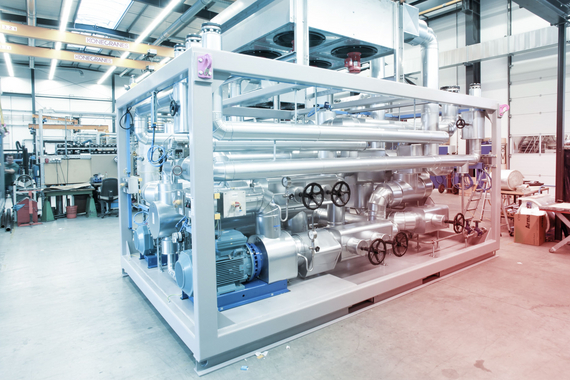
Effective Heat transfer systems offer substantial advantages in contemporary sector, primarily with boosted power effectiveness and price decrease. By enhancing thermal administration, these systems reduce energy waste, resulting in lower functional costs (DVS Heat Transfer Systems). Companies can achieve better sustainability and enhanced profitability.
Energy Effectiveness Improvements
As markets significantly prioritize sustainability and cost-effectiveness, energy performance renovations in Heat transfer systems have actually become a critical focus. Improved efficiency in these systems leads to minimized energy usage, enabling centers to operate more sustainably. By maximizing Heat transfer approaches, industries can reduce waste Heat and achieve far better thermal administration, substantially decreasing their ecological effect. Advancements in innovations such as Heat exchangers and insulation materials contribute to enhanced performance and reliability. Furthermore, executing energy-efficient Heat transfer remedies not just supports compliance with regulatory criteria but also cultivates a society of advancement within organizations. Eventually, these improvements are necessary in aligning commercial operations with global power conservation objectives, leading the means for a much more lasting future in manufacturing and handling industries.
Price Reduction Opportunities
By optimizing Heat transfer systems, industries can expose significant cost reduction chances that boost their profits. Reliable Heat transfer reduces power consumption, resulting in reduced utility costs and decreasing functional costs. Additionally, improved system efficiency decreases the requirement for maintenance and repair work, in addition saving costs with time. Enhanced Heat transfer can additionally prolong devices lifespan, permitting business to delay capital investment on replacements. Additionally, waste Heat recovery systems can transform excess Heat right into about his useful energy, even more driving down prices. These systems not only improve processes but likewise add to sustainability efforts, placing firms positively in a progressively eco-conscious market. Overall, the monetary benefits of effective Heat transfer systems are vital and significant for competitive benefit.
Innovations in Heat Transfer Solutions
Exactly how can modern-day industry enhance its operations through ingenious Heat transfer services? By embracing sophisticated products and modern technologies, industries can greatly enhance thermal performance and efficiency. Advancements such as nanofluids, which boost Heat transfer capacities past standard fluids, and phase adjustment materials that keep and release thermal energy, are gaining grip. In addition, the combination of clever sensing units and IoT tools permits for real-time tracking and optimization of Heat transfer processes, reducing waste and boosting system responsiveness. In addition, additive production methods enable the creation of even more complicated Heat exchangers that optimize surface while reducing product use. Collectively, these innovations drive functional efficiency and develop competitive benefits in different sectors, consisting of power, manufacturing, and aerospace.
The Duty of Heat Transfer in Sustainability Initiatives
While the press for sustainability remains to improve markets, the duty of Heat transfer modern technologies ends up being increasingly crucial in accomplishing ecological objectives. Efficient Heat transfer systems facilitate power efficiency continue reading this by enhancing thermal monitoring in various procedures, substantially lowering energy intake and greenhouse gas emissions. For circumstances, progressed Heat exchangers are utilized in commercial applications to redeem waste Heat, thus decreasing energy waste. Additionally, advancements such as phase adjustment materials enhance thermal storage space, contributing to sustainable power assimilation. The fostering of lasting fluids in Heat transfer systems can decrease ecological influence. By prioritizing efficient Heat transfer, markets not only enhance operational performance however likewise line up with worldwide sustainability campaigns, cultivating a cleaner, extra lasting future.
Frequently Asked Inquiries
Just How Do Heat Transfer Equipments Influence Power Costs in Production?
Heat transfer systems significantly influence power prices in manufacturing by enhancing performance, decreasing waste, and enhancing thermal administration. These enhancements cause decrease functional costs, inevitably profiting total efficiency and productivity in commercial operations.
What Maintenance Is Required for Heat Transfer Systems?
Upkeep for Heat transfer systems includes regular inspections, cleansing of elements, checking fluid levels and problems, replacing worn components, and making sure appropriate insulation. These actions boost effectiveness, extend life-span, and stop costly breakdowns in operation.
Are There Safety Interest In Heat Transfer Systems?
Security worry about Heat transfer systems include potential leakages, pressure accumulation, and thermal threats. Appropriate design, routine upkeep, and adherence to safety procedures are necessary to minimize these risks and ensure secure operation in industrial settings.
How Can I Select the Right Heat Transfer System for My Business?
Choosing the ideal Heat transfer system entails evaluating aspects such as effectiveness, application needs, budget restrictions, and security criteria. A detailed evaluation of these elements will assist ensure suitable performance and dependability in service procedures.
What Prevail Failings in Heat Transfer Equipments and Their Reasons?
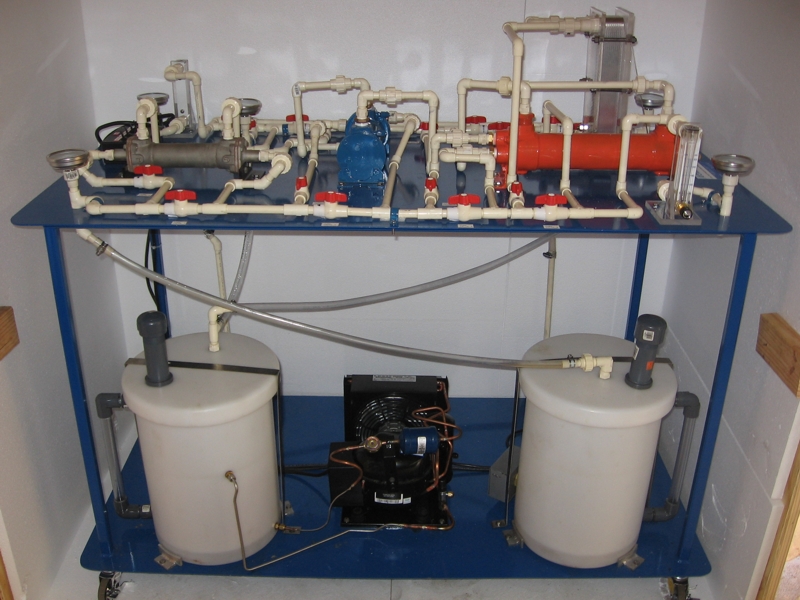
Understanding transmission involves assessing exactly how Heat moves through strong materials, while convection pertains to Heat transfer in fluids, driven by liquid movement. By optimizing Heat transfer techniques, markets can minimize waste Heat and accomplish far better thermal management, greatly reducing their environmental effect. Waste Heat recovery systems can change excess Heat into usable energy, additionally driving down expenses. Progressed Heat exchangers are used in commercial applications to recover waste Heat, consequently minimizing energy waste. Common failures in Heat transfer systems include leaks, deterioration, and inefficient Heat exchange.